
Back to Patient Education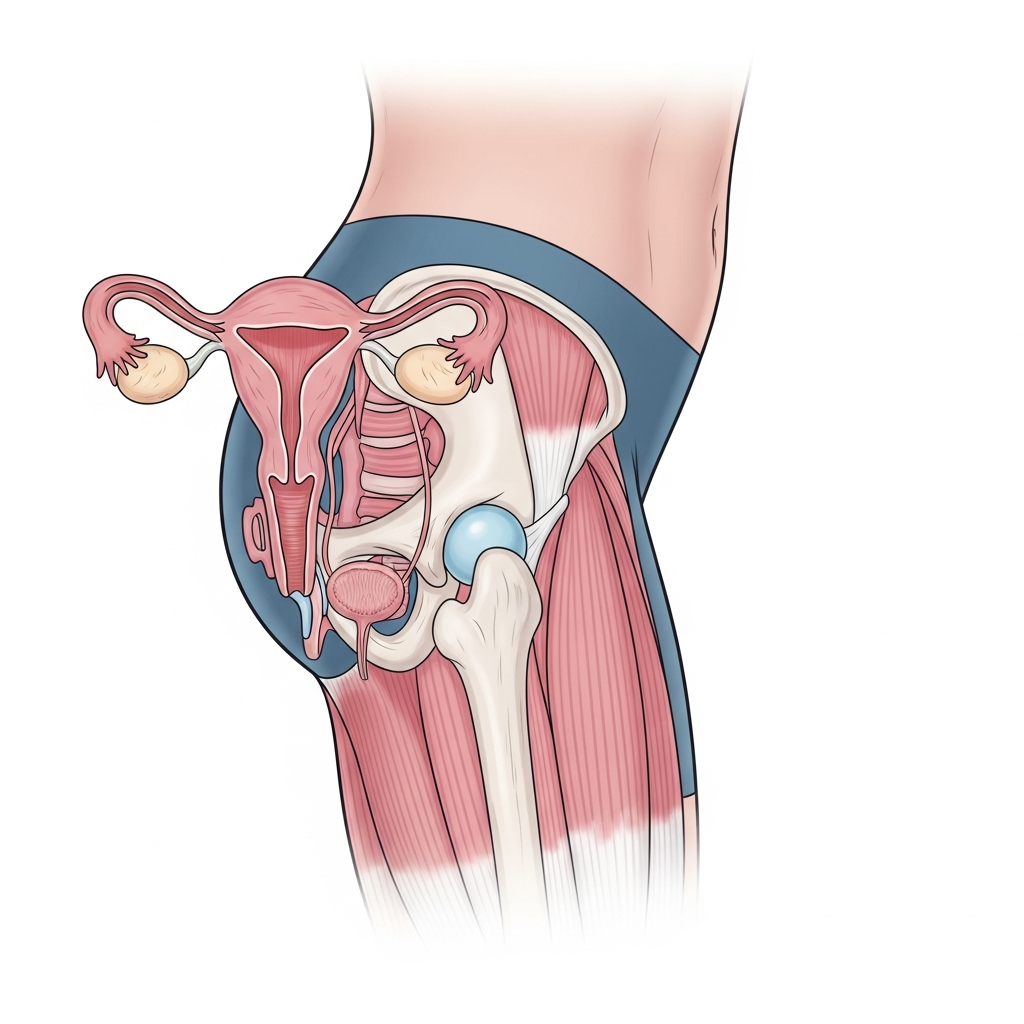
Uterine prolapse occurs when the pelvic floor muscles and ligaments become weak and can no longer support the uterus. The uterus then descends into or protrudes out of the vaginal canal.
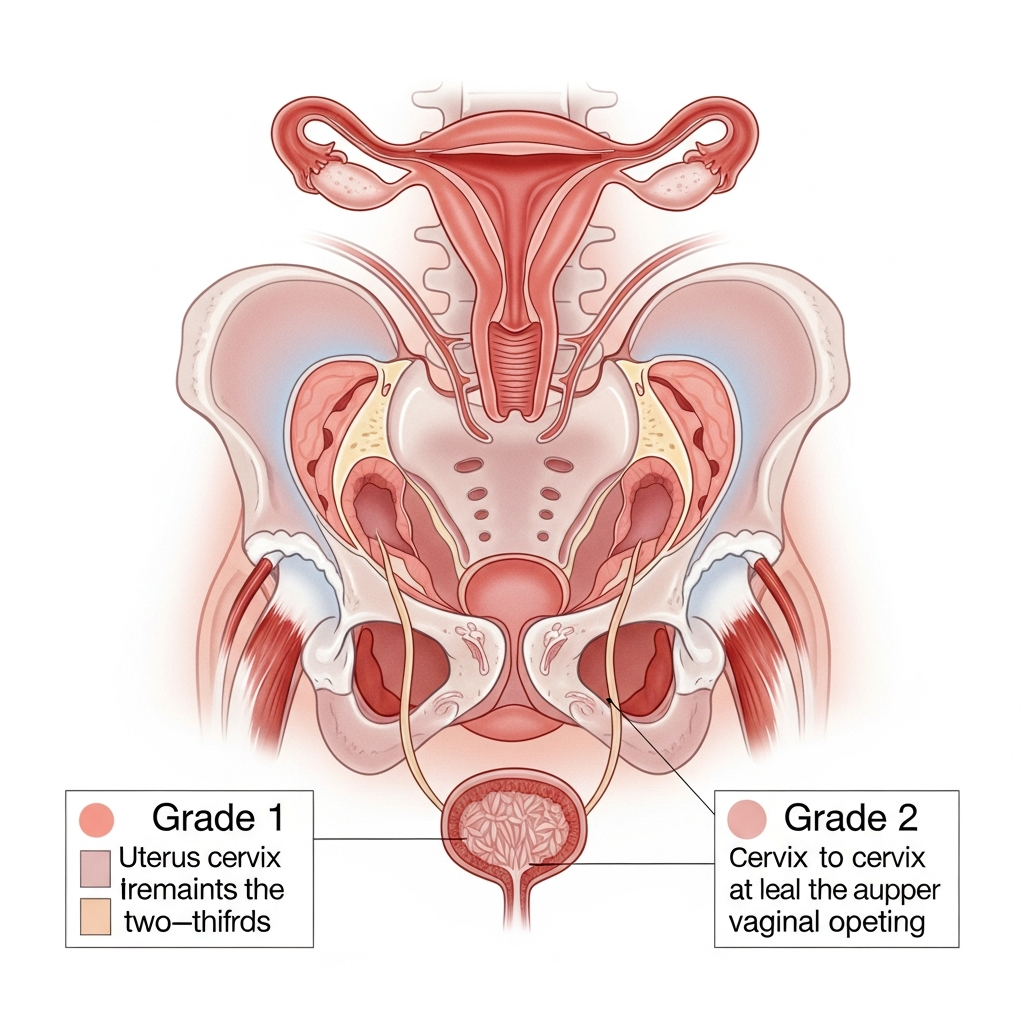
Grade 1 (Mild): Uterus descends into upper vagina
Often no symptoms
May feel heaviness occasionally
Can be completely reversed with exercises
Grade 2 (Moderate): Cervix reaches vaginal opening
Feeling of bulge or something "coming down"
Discomfort during standing/walking
Can improve significantly with Kegels
Grade 3 & 4 (Severe): Requires medical intervention
Protrusion outside vagina
Surgery often needed
Kegels help post-surgery recovery
Risk Factors:
Multiple vaginal deliveries
Difficult or prolonged labor
Heavy lifting
Chronic constipation
Chronic coughing
Menopause (decreased estrogen)
Obesity
Previous pelvic surgery
YES! Research shows:
50-80% improvement in Grade 1-2 prolapse with consistent Kegel exercises
Can delay or prevent need for surgery
Significant symptom relief within 3-6 months
Works best when started early
How to do:
1. Find your pelvic floor muscles (as if stopping urine)
2. Squeeze and lift for 5-10 seconds
3. Relax completely for 5-10 seconds
4. Repeat 10-15 times, 3 times daily
Tip: Imagine you're lifting a marble with your vagina
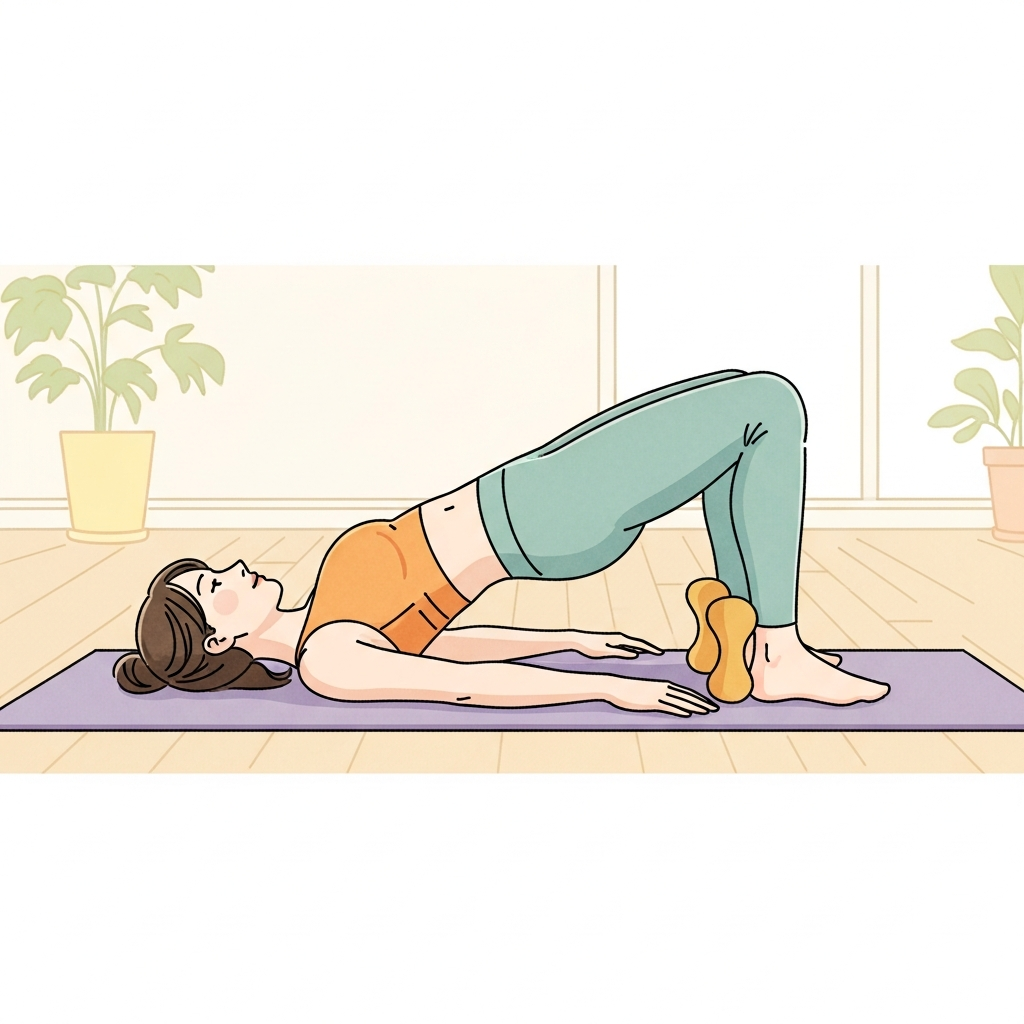
How to do:
1. Lie on back, knees bent, feet flat
2. As you lift hips, squeeze pelvic floor
3. Hold bridge position for 5 seconds
4. Lower slowly while relaxing
5. Repeat 10 times
Benefits: Strengthens pelvic floor + glutes + core
How to do:
1. Rapidly contract and release pelvic floor
2. Do 10 quick squeeze-release cycles
3. Rest for 10 seconds
4. Repeat 3 sets
Why: Trains muscles for sudden pressure (cough, sneeze)
How to do:
1. Imagine your pelvic floor as an elevator
2. Squeeze to "Floor 1" - mild contraction
3. Squeeze to "Floor 2" - moderate
4. Squeeze to "Floor 3" - maximum
5. Hold for 3 seconds at each floor
6. Slowly release back down
How to do:
1. Stand with feet shoulder-width apart
2. Squat down keeping back straight
3. As you stand up, squeeze pelvic floor
4. Release at the top
5. Repeat 10-15 times
Day Morning Afternoon Evening
----------------------------------
Mon Basic Kegels (15) Quick Flicks (30) Bridge Pose (10)
Tue Elevator (5) Basic Kegels (15) Squats (10)
Wed Basic Kegels (15) Bridge Pose (10) Quick Flicks (30)
Thu REST Basic Kegels (15) Elevator (5)
Fri Squats (10) Quick Flicks (30) Basic Kegels (15)
Sat Bridge Pose (10) Elevator (5) Basic Kegels (15)
Sun REST REST Basic Kegels (15)
Do:
Maintain healthy weight
Eat high-fiber diet (prevent constipation)
Stay hydrated
Lift correctly (bend knees, engage core)
Support pelvic floor when coughing/sneezing
Don't:
Strain during bowel movements
Hold breath while lifting
Do high-impact exercises without pelvic support
Ignore early symptoms
Delay consulting a doctor
Consult immediately if you experience:
Feeling of bulge in vagina
Difficulty emptying bladder completely
Urinary incontinence
Pain during intercourse
Lower back pain
Visible tissue outside vagina
For Grade 1-2:
Pessary (vaginal support device)
Estrogen therapy (postmenopausal)
Physical therapy
Weight management
For Grade 3-4:
Surgical repair
Hysterectomy (in severe cases)
Post-surgery Kegels for recovery
Many women have reversed Grade 1-2 prolapse through:
Consistent daily Kegel exercises
Lifestyle modifications
Weight management
Proper lifting techniques
Remember: Early intervention is key. The sooner you start, the better your results!
Daily Goal: 45-60 Kegel contractions per day
Exercise Hold Time Reps Sets/Day
-------------------------------------
Basic Kegel 5-10 sec 15 3
Quick Flicks 1 sec 10 3
Elevator 3 sec/floor 5 2
Bridge + Kegel 5 sec 10 1
Squats + Kegel - 10 1
Start today! Consistent practice for 3-6 months can make a significant difference in your pelvic floor health and prolapse symptoms.
Women's Health 15 min read
Kegel Exercises for Women: Prevent & Treat Grade 1-2 Prolapse
By Dr. Neha Singhania • 2025-01-30
What is Uterine Prolapse?
Uterine prolapse occurs when the pelvic floor muscles and ligaments become weak and can no longer support the uterus. The uterus then descends into or protrudes out of the vaginal canal.
Understanding Prolapse Grades
Grade 1 (Mild): Uterus descends into upper vagina
Grade 2 (Moderate): Cervix reaches vaginal opening
Grade 3 & 4 (Severe): Requires medical intervention
Who is at Risk?
Risk Factors:
Can Kegels Really Help Prolapse?
YES! Research shows:
Essential Exercises for Prolapse Prevention
1. Basic Kegel Contractions
How to do:
1. Find your pelvic floor muscles (as if stopping urine)
2. Squeeze and lift for 5-10 seconds
3. Relax completely for 5-10 seconds
4. Repeat 10-15 times, 3 times daily
Tip: Imagine you're lifting a marble with your vagina
2. Bridge Pose with Kegel
How to do:
1. Lie on back, knees bent, feet flat
2. As you lift hips, squeeze pelvic floor
3. Hold bridge position for 5 seconds
4. Lower slowly while relaxing
5. Repeat 10 times
Benefits: Strengthens pelvic floor + glutes + core
3. Quick Flick Contractions
How to do:
1. Rapidly contract and release pelvic floor
2. Do 10 quick squeeze-release cycles
3. Rest for 10 seconds
4. Repeat 3 sets
Why: Trains muscles for sudden pressure (cough, sneeze)
4. Elevator Exercise
How to do:
1. Imagine your pelvic floor as an elevator
2. Squeeze to "Floor 1" - mild contraction
3. Squeeze to "Floor 2" - moderate
4. Squeeze to "Floor 3" - maximum
5. Hold for 3 seconds at each floor
6. Slowly release back down
5. Squats with Pelvic Floor Engagement
How to do:
1. Stand with feet shoulder-width apart
2. Squat down keeping back straight
3. As you stand up, squeeze pelvic floor
4. Release at the top
5. Repeat 10-15 times
Weekly Exercise Plan
Day Morning Afternoon Evening
----------------------------------
Mon Basic Kegels (15) Quick Flicks (30) Bridge Pose (10)
Tue Elevator (5) Basic Kegels (15) Squats (10)
Wed Basic Kegels (15) Bridge Pose (10) Quick Flicks (30)
Thu REST Basic Kegels (15) Elevator (5)
Fri Squats (10) Quick Flicks (30) Basic Kegels (15)
Sat Bridge Pose (10) Elevator (5) Basic Kegels (15)
Sun REST REST Basic Kegels (15)
Lifestyle Tips for Prolapse Prevention
Do:
Don't:
When to See a Doctor
Consult immediately if you experience:
Treatment Options Beyond Kegels
For Grade 1-2:
For Grade 3-4:
Success Stories
Many women have reversed Grade 1-2 prolapse through:
Remember: Early intervention is key. The sooner you start, the better your results!
Quick Reference Card
Daily Goal: 45-60 Kegel contractions per day
Exercise Hold Time Reps Sets/Day
-------------------------------------
Basic Kegel 5-10 sec 15 3
Quick Flicks 1 sec 10 3
Elevator 3 sec/floor 5 2
Bridge + Kegel 5 sec 10 1
Squats + Kegel - 10 1
Start today! Consistent practice for 3-6 months can make a significant difference in your pelvic floor health and prolapse symptoms.
Have questions? Talk to the doctor
Book an appointment with Dr. Neha Singhania for personalised advice.