
Back to Patient Education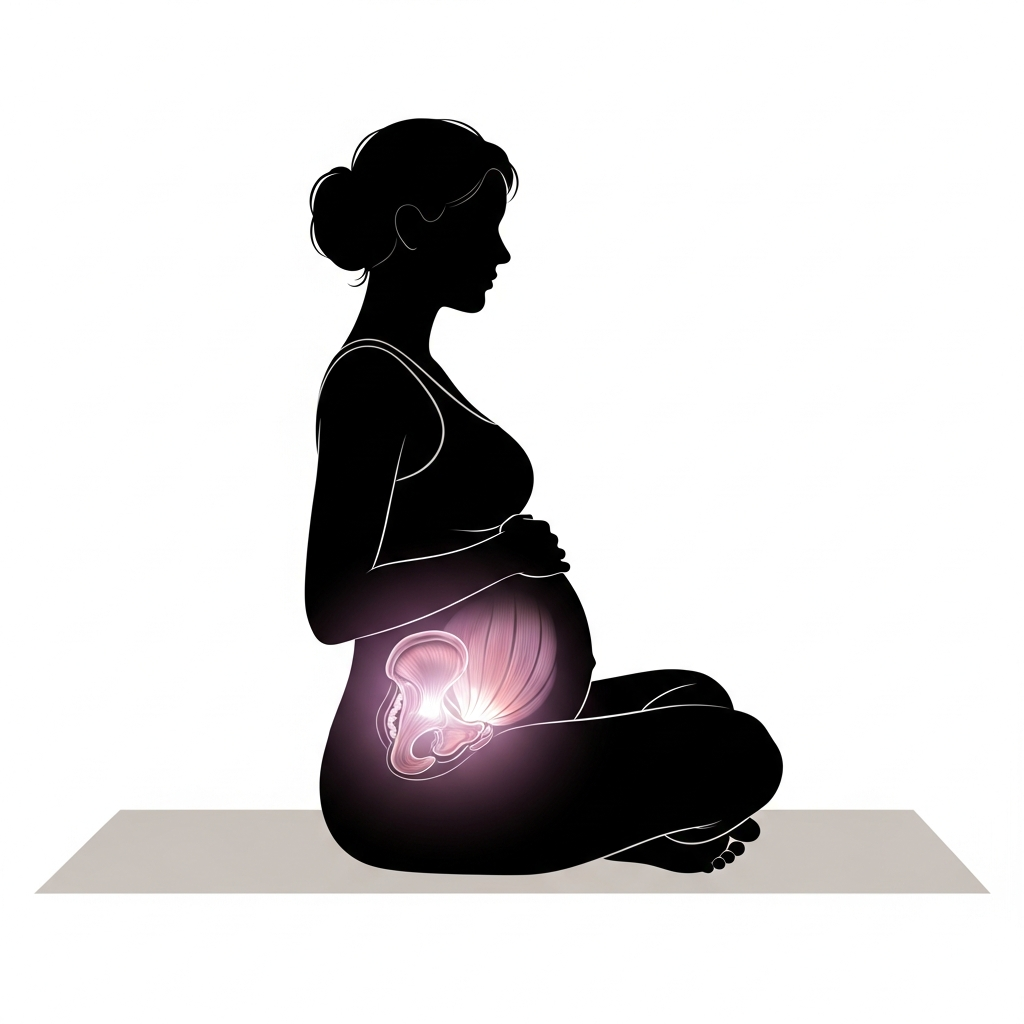
Kegel exercises, named after Dr. Arnold Kegel, are pelvic floor exercises that strengthen the muscles supporting your bladder, uterus, and bowels. These muscles form a hammock-like structure at the base of your pelvis.
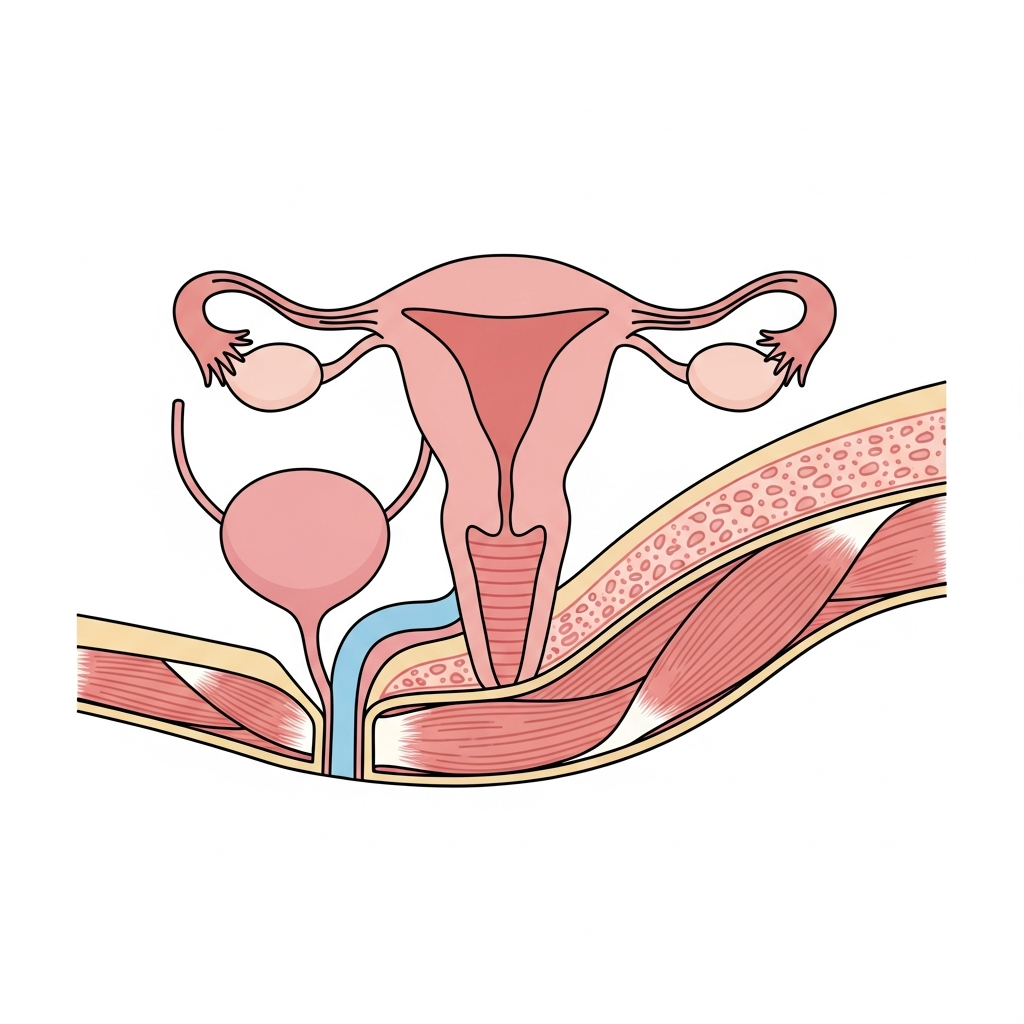
The pelvic floor consists of layers of muscles that:
Support your uterus and growing baby
Control bladder and bowel function
Aid in sexual sensation
Help during childbirth
Benefits include:
1. Prevents urinary incontinence - Reduces accidental leakage when sneezing, coughing, or laughing
2. Supports growing baby - Strengthens muscles carrying extra weight
3. Prepares for delivery - Helps with pushing and reduces tearing
4. Speeds postpartum recovery - Faster healing after vaginal delivery
5. Improves bladder control - Better management of frequent urination
Before starting Kegels, you need to identify the right muscles:
Method 1: Stop-Start Test
While urinating, try to stop the flow midstream
The muscles you use are your pelvic floor muscles
Don't do this regularly - only to identify muscles!
Method 2: Finger Test
Wash hands thoroughly
Insert a finger into vagina
Squeeze around your finger
You should feel tightening and lifting
Method 3: Mirror Check
Sit with legs apart facing a mirror
Try to squeeze and lift pelvic muscles
You should see slight inward movement
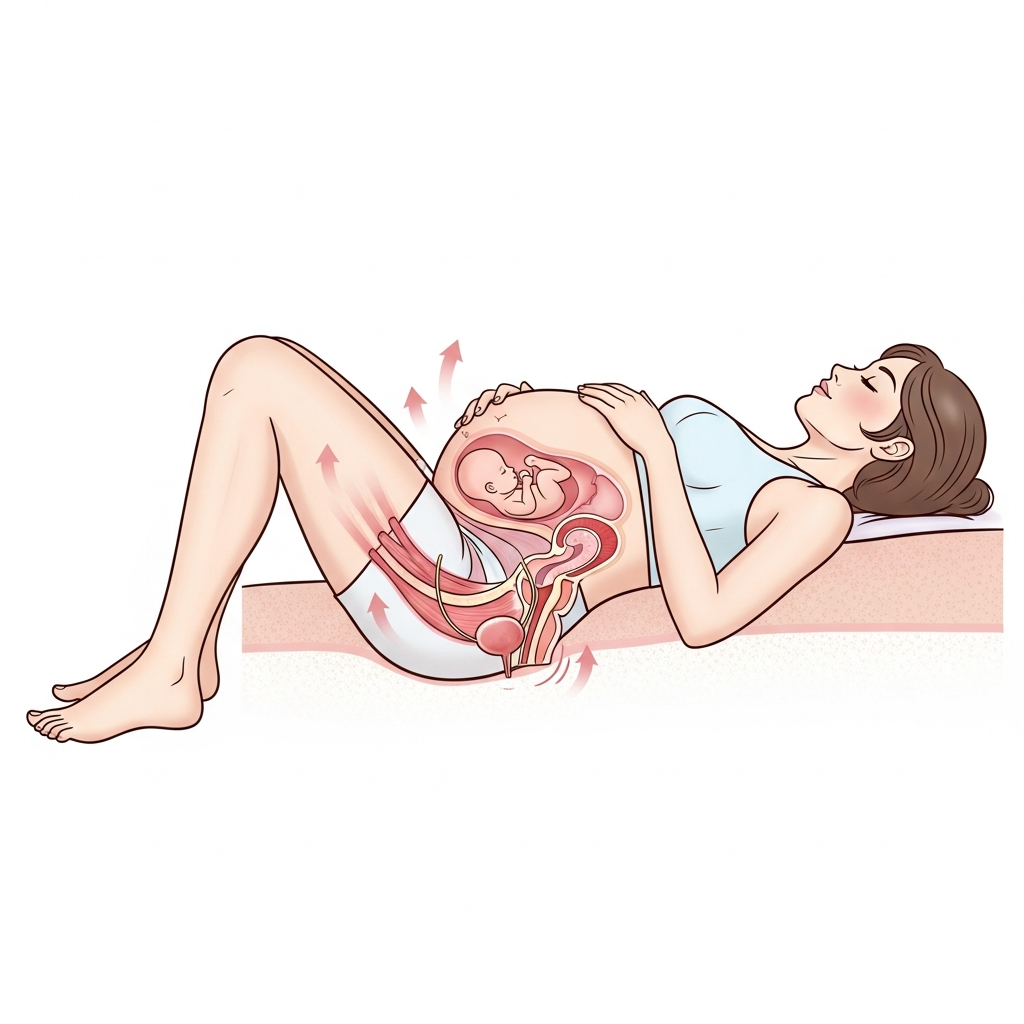
1. Get Comfortable: Sit, lie down, or stand - choose what works for you
2. Breathe Normally: Don't hold your breath
3. Squeeze & Lift: Tighten pelvic muscles as if stopping urine flow
4. Hold: Maintain contraction for 3-5 seconds
5. Relax: Release for 3-5 seconds
6. Repeat: Do 10-15 repetitions
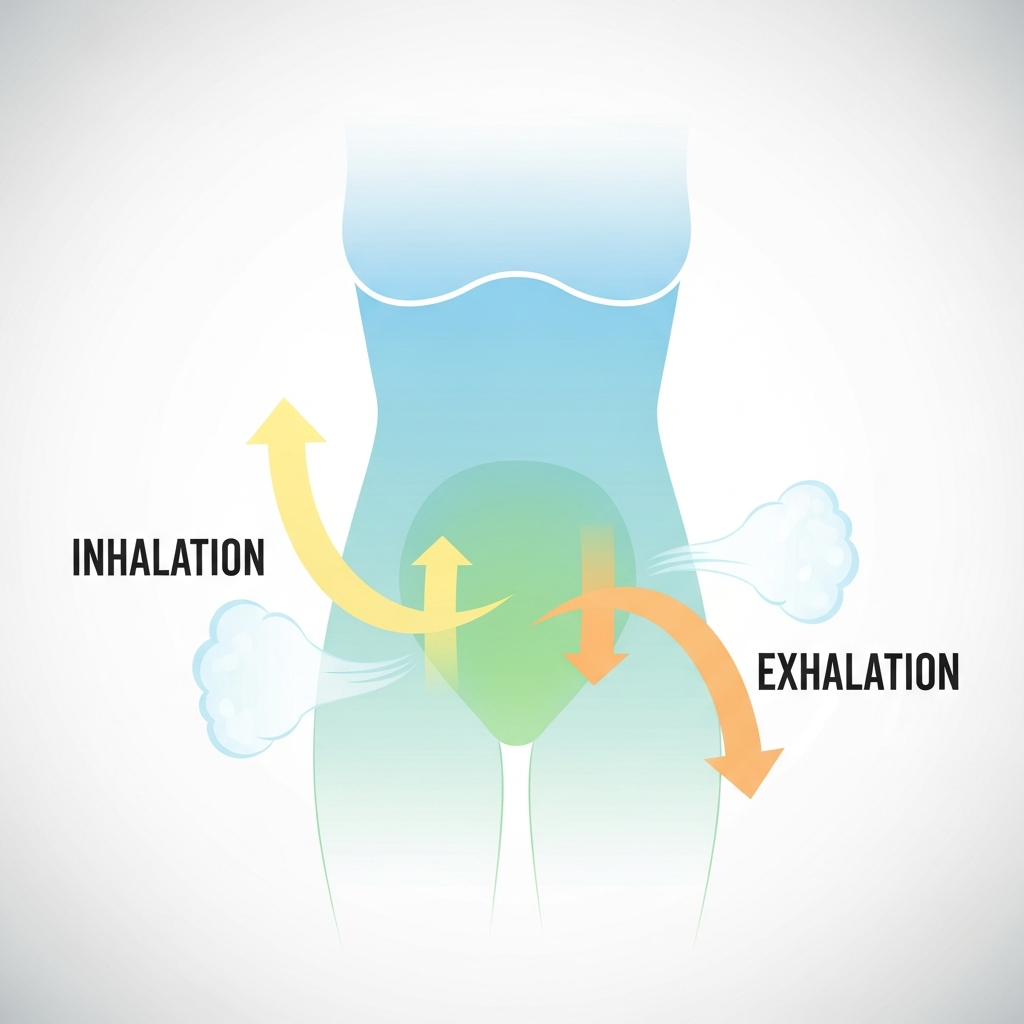
Proper breathing enhances Kegel effectiveness:
Inhale: As you relax the pelvic floor
Exhale: As you contract and lift
Don't hold your breath during contractions
Keep breathing steady throughout
Sit on a firm chair
Keep feet flat on floor
Lean slightly forward
Best for: Beginners, office practice
Lie on your back (first trimester) or side (later)
Bend knees, feet flat
Place pillow under hips if needed
Best for: Learning correct technique
Great for mid-to-late pregnancy
Reduces pressure from baby's weight
Relieves back strain while exercising
Best for: Second and third trimester
Good for quick exercises throughout day
Can do while waiting, cooking, etc.
Best for: Once you've mastered the technique
Routine:
10 contractions, 3 times daily
Hold each for 3-5 seconds
Any position comfortable for you
Routine:
15 contractions, 3 times daily
Hold each for 5-8 seconds
Add quick flicks (rapid squeeze-release)
Try hands and knees position
Routine:
15-20 contractions, 3 times daily
Hold each for 8-10 seconds
Focus on relaxation between contractions
Practice "releasing" for labor preparation
Rapidly contract and release
Do 10 quick squeezes in a row
Helps with sudden pressure (sneeze, cough)
Imagine your pelvic floor as an elevator
Squeeze to "floor 1," hold
Squeeze tighter to "floor 2," hold
Go up to "floor 3" (maximum)
Slowly release back down
Contract front muscles (urinary control)
Then contract back muscles (bowel control)
Practice isolating each area
Don't:
Hold your breath
Squeeze buttocks, thighs, or abdomen
Do Kegels while urinating (except to find muscles)
Overdo it (can cause muscle fatigue)
Expect instant results
Do:
Breathe normally throughout
Isolate pelvic floor muscles only
Be consistent with daily practice
Be patient (results take 4-6 weeks)
Increase duration gradually
Best times for Kegels:
Morning after waking up
During work breaks
While watching TV
Before bed
During red traffic lights
While waiting in queues
Tip: Set phone reminders to practice 3 times daily!
You'll know you're on the right track when:
You feel a squeeze and lift sensation
You notice better bladder control
Less urinary leakage over time
You can hold contractions longer
Your partner notices during intimacy
See your healthcare provider if:
You experience pain during Kegels
You have persistent urinary incontinence
You notice pelvic pressure or heaviness
You're unsure if you're doing them correctly
You have any pelvic floor concerns
After delivery, resume Kegels:
Vaginal delivery: Start within 24-48 hours if comfortable
C-section: Wait until cleared by doctor (usually 6 weeks)
Begin with gentle contractions
Gradually increase intensity
Helps restore muscle tone faster
Exercise Duration Frequency
-------------------------------
Basic Kegel 3-5 sec hold 10 reps, 3x/day
Quick Flicks 1 sec each 10 reps, 2x/day
Elevator 3-5 sec/floor 5 reps, 2x/day
Extended Hold 10 sec hold 5 reps, 1x/day
Remember: Consistency is key! Even a few minutes of daily practice can make a significant difference in your pelvic floor health during pregnancy and beyond.
Pregnancy Care 12 min read
Kegel Exercises During Pregnancy: Complete Guide
By Dr. Neha Singhania • 2025-01-30
What Are Kegel Exercises?
Kegel exercises, named after Dr. Arnold Kegel, are pelvic floor exercises that strengthen the muscles supporting your bladder, uterus, and bowels. These muscles form a hammock-like structure at the base of your pelvis.
Understanding Your Pelvic Floor
The pelvic floor consists of layers of muscles that:
Why Kegels Are Essential During Pregnancy
Benefits include:
1. Prevents urinary incontinence - Reduces accidental leakage when sneezing, coughing, or laughing
2. Supports growing baby - Strengthens muscles carrying extra weight
3. Prepares for delivery - Helps with pushing and reduces tearing
4. Speeds postpartum recovery - Faster healing after vaginal delivery
5. Improves bladder control - Better management of frequent urination
How to Find Your Pelvic Floor Muscles
Before starting Kegels, you need to identify the right muscles:
Method 1: Stop-Start Test
Method 2: Finger Test
Method 3: Mirror Check
Step-by-Step Kegel Exercise Technique
The Basic Kegel
1. Get Comfortable: Sit, lie down, or stand - choose what works for you
2. Breathe Normally: Don't hold your breath
3. Squeeze & Lift: Tighten pelvic muscles as if stopping urine flow
4. Hold: Maintain contraction for 3-5 seconds
5. Relax: Release for 3-5 seconds
6. Repeat: Do 10-15 repetitions
Breathing Technique
Proper breathing enhances Kegel effectiveness:
Best Positions for Kegel Exercises
1. Sitting Position
2. Lying Position (Recommended for Pregnancy)
3. Hands and Knees Position
4. Standing Position
Kegel Exercise Routines by Trimester
First Trimester (Weeks 1-13)
Routine:
Second Trimester (Weeks 14-27)
Routine:
Third Trimester (Weeks 28-40)
Routine:
Advanced Kegel Variations
1. Quick Flicks
2. Elevator Kegels
3. Front-to-Back Focus
Common Mistakes to Avoid
Don't:
Do:
When to Do Kegel Exercises
Best times for Kegels:
Tip: Set phone reminders to practice 3 times daily!
Signs You're Doing Kegels Correctly
You'll know you're on the right track when:
When to Consult a Doctor
See your healthcare provider if:
Postpartum Kegels
After delivery, resume Kegels:
Quick Reference Card
Exercise Duration Frequency
-------------------------------
Basic Kegel 3-5 sec hold 10 reps, 3x/day
Quick Flicks 1 sec each 10 reps, 2x/day
Elevator 3-5 sec/floor 5 reps, 2x/day
Extended Hold 10 sec hold 5 reps, 1x/day
Remember: Consistency is key! Even a few minutes of daily practice can make a significant difference in your pelvic floor health during pregnancy and beyond.
Have questions? Talk to the doctor
Book an appointment with Dr. Neha Singhania for personalised advice.